

Lexicon of Lost Knowledge
Zodiac

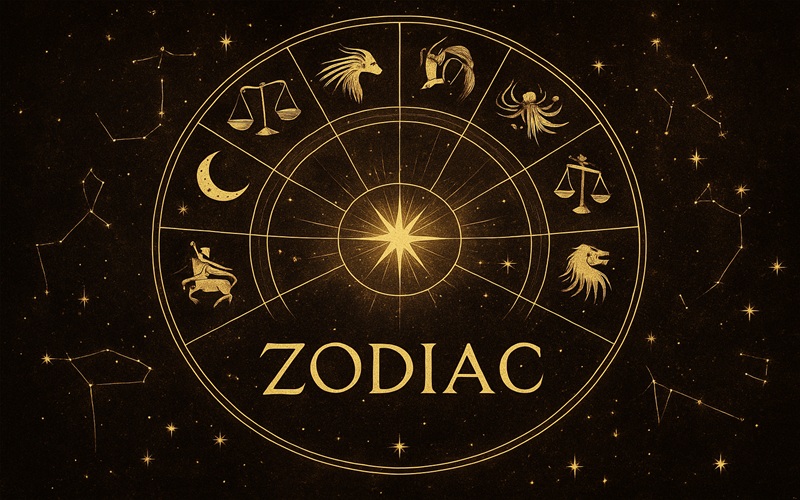
Definition:
The Zodiac is the twelvefold division of the heavens, forming a cosmic wheel that reflects the eternal cycle of creation and transformation. Each of its twelve signs represents an archetypal force — expressions of the divine intelligence that animates both the cosmos and the human soul. From ancient Babylonian sky-watchers to Greek and Egyptian mystics, the Zodiac served as a sacred calendar, mirror, and language of correspondence between heaven and earth.
Deeper Meaning:
In esoteric thought, the Zodiac is more than astronomy — it is the celestial body of consciousness itself. Each sign is a gate through which cosmic energy flows, shaping the qualities of life on Earth. Aries ignites will; Taurus anchors form; Gemini awakens mind; Cancer nurtures; and the cycle continues — a spiral of evolution that repeats through time.
Mystics view the Zodiac as a mandala of the soul, illustrating the path of spiritual ascent. Its twelve archetypes are not external influences but inner powers to be awakened. To study the Zodiac is to recognize one’s place in the grand rhythm of existence — to see that the stars do not control fate, but reveal the harmony of the universal mind reflected within us.
References in Texts:
The celestial science of the Zodiac is explored in Tetrabiblos by Ptolemy, The Emerald Tablet, and Hermetic, Chaldean, and Theosophical writings that interpret it as the divine order underlying astrology and myth.
Related Concepts:
- Astrology
- Archetypes
- Cosmic Order
- Elements and Modalities
- Hermetic Philosophy
- Celestial Harmony